Ethiopian Rift Valley: A Complete Travel & Geography Guide
The Ethiopian Rift Valley, part of the larger East African Rift System, is one of the most spectacular geological formations in the world. The Ethiopian Rift Valley, part of the larger East African Rift System, runs mainly through central and southern Ethiopia, connecting the Afar region in the northeast with the Kenyan border in the south. It is home to dramatic escarpments, volcanic landscapes, wildlife-rich national parks, and a chain of beautiful Rift Valley lakes. For travelers, the region is a paradise offering nature, culture, birdwatching, hot springs, and relaxing lakeside getaways.
This complete guide explains what the Ethiopian Rift Valley is, the best places to visit, activities to enjoy, how to get there, and essential tips for planning your trip.
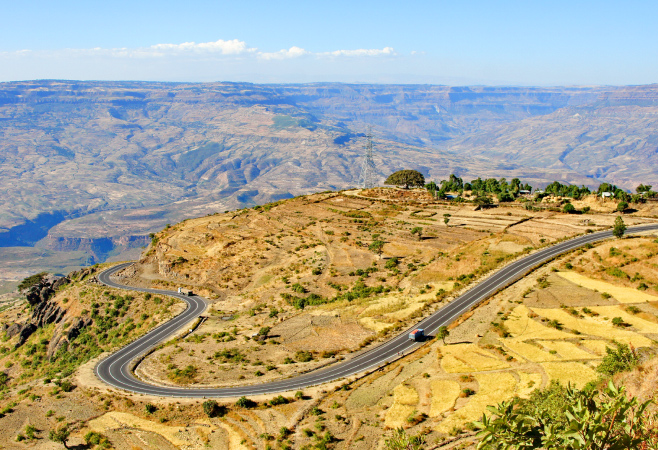 Ethiopian Rift Valley is a must-visit destination for nature lovers
What Is the Ethiopian Rift Valley?
The Ethiopian Rift Valley is a deep geological depression formed by tectonic plates slowly pulling apart. This unique landscape features volcanoes, hot springs, salt flats, fertile valleys, crater lakes, and wildlife reserves.
Key Features of the Rift Valley
- Extends southward from Addis Ababa to Moyale
- The Ethiopian Rift Valley is commonly associated with a chain of eight major lakes, ranging from freshwater to soda and seasonal lakes
- Rich biodiversity and bird species
- Home to pastoral communities and vibrant cultures
- Popular for adventure travel and eco-tourism
Where Is the Ethiopian Rift Valley Located?
The Rift Valley runs through central and southern Ethiopia.
It begins near Afar in the northeast, passing through Addis Ababa, and stretches down through Oromia and SNNPR (Southern Nations, Nationalities and Peoples Region) toward the Kenyan border.
Major Cities Along the Rift Valley
- Adama (Nazret)
- Bishoftu (Debre Zeyit)
- Hawassa (Awassa)
- Arba Minch
- Shashemene
These cities serve as excellent bases for exploring the region.
The 8 Ethiopian Rift Valley Lakes
One of the main reasons travelers search for the Ethiopian Rift Valley is its lakes. Each offers distinct ecosystems, scenery, and attractions.
Northern Lakes
1. Lake Ziway
The largest of the northern lakes is known for its birdlife and fishing communities.
Closest Rift Valley lake to Addis Ababa.
Boats to Tulu Gudo Island (home to centuries-old monasteries)
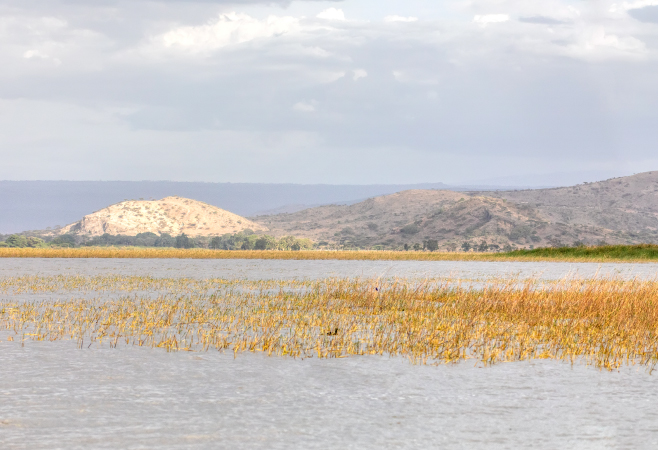 View of Lake Ziway
2. Lake Langano
Popular for swimming due to its brownish, mineral-rich water that's free of bilharzia. Lake Langano is the most commonly recommended Rift Valley lake for swimming, as it is generally considered free of bilharzia.
Popular weekend getaway from Addis
Resorts, water sports, and sandy beaches
3&4. Lake Abijatta & Lake Shalla (Abijatta–Shalla National Park)
- Lake Abijata: A shallow soda lake important for flamingo populations
- Lake Shala: Ethiopia's deepest lake with stunning turquoise waters. Hot springs, volcanic landscape, and wildlife observation
Southern Lakes
5. Lake Hawassa
Located in the vibrant city of Hawassa
Fish market and lakeside walking paths
Excellent for birdwatching and relaxation
6&7. Lake Abaya & Lake Chamo (near Arba Minch)
- Lake Chamo: Home to massive Nile crocodiles and hippos
- Lake Abaya: Known as the "Red Lake" due to its reddish-brown sediment. Boat tours in Nechisar National Park are a must-do.
These lakes offer some of the most dramatic Rift Valley scenery.
8. Lake Chew Bahir (Lake Stephanie)
Lake Chew Bahir is a shallow seasonal lake located in the southernmost part of the Ethiopian Rift Valley, near the border with Kenya.
Chew Bahir is often dry for much of the year, transforming into a vast salt flat that creates a dramatic, otherworldly landscape.
During periods of heavy rainfall, the basin fills with water, attracting wildlife and migratory birds.
 The Ethiopian Rift Valley lakes offer breathtaking scenery and birdlife.
Top Things to Do in the Ethiopian Rift Valley
Tourism in the Ethiopian Rift Valley revolves around its natural and cultural treasures.
1. Wildlife Viewing in National Parks
The Rift Valley is home to several protected areas:
- Abijatta–Shalla National Park
- Nechisar National Park
- Awash National Park (technically part of the broader Rift system)
You can spot:
- Flamingos
- Pelicans
- Ostriches
- Gazelles
- Hippos
- Crocodiles
- Rare endemic birds
2. Hot Springs and Volcanic Experiences
Along the Rift Valley, geothermal activity gives rise to hot springs, fumaroles, and volcanic features. Popular spots:
- Wendo Genet Hot Springs
- Shalla Hot Springs near Abijatta
- Volcanic craters in Bishoftu
3. Cultural Experiences
The southern Rift Valley brings you closer to Ethiopia’s famous Omo Valley tribes, including:
- Konso
- Dorze
- Hamar
- Karo
Visit traditional villages, markets, and ancient terraced landscapes.
4. Adventure & Outdoor Activities
Birdwatching
Hiking in national parks
Photography
Swimming at Lake Langano
Boat tours on Lake Chamo
Horse riding at lakeside lodges
5. Rift Valley Lakes and Relaxation
Enjoy boat trips on Lake Chamo for hippo and crocodile spotting, birdwatching, or lakeside relaxation.
Enjoy spa treatments, fresh fish dishes, and scenic sunsets.
 The Ethiopian Rift Valley is gaining appeal as a tourism destination.
Best Places to Visit in the Ethiopian Rift Valley
Bishoftu (Debre Zeyit)
- Closest retreat to Addis Ababa
- Stunning crater lakes: Babogaya, Bishoftu, Kuriftu
- Luxury resorts and peaceful scenery
Hawassa
- Modern lakeside city
- Great restaurants and hotels
- Famous fish market
Arba Minch
- Gateway to Nechisar National Park
- Scenic views over twin lakes Abaya & Chamo
- Access to the Omo Valley tribes
Shashemene & Wendo Genet
- Iconic Rastafarian community
- Forest hikes and natural hot springs
- Each destination offers unique Rift Valley experiences.
Great Rift Valley Facts You Should Know
The Great Rift Valley is one of the most extraordinary geological and ecological features on Earth. Below are the most interesting and useful facts for travelers.
1. It stretches over 6,000 kilometers, from Lebanon in the Middle East all the way to Mozambique in Southern Africa, making it one of the longest continuous geographical trenches on Earth.
2. It is the birthplace of many early human fossils. Famous discoveries like Lucy (Australopithecus afarensis) were found in Ethiopia's Afar region, making the Great Rift Valley crucial to human evolution studies.
3. Home to some of the deepest lakes in the world
- Lake Tanganyika is the 2nd deepest lake on the planet.
- Lake Malawi is one of the world’s largest and deepest freshwater lakes.
4. The Rift Valley is widening every year. The plates move apart at about 2–5 millimeters per year, slowly changing the shape of Eastern Africa.
5. The Afar Triangle is one of the hottest places on Earth. Temperatures in Ethiopia’s Danakil Depression can exceed 50°C (122°F).
Planning Your Visit: A Practical Guide
How to Get to the Ethiopian Rift Valley From Addis Ababa
By Air: Domestic flights connect Addis Ababa to cities like Arba Minch and Jinka, providing access to southern parks.
By Road: The Addis Ababa to Hawassa highway is the main paved artery running through the valley, offering stunning vistas. Travel times by road:
- Addis to Lake Ziway: 2 hours
- Addis to Langano: 3 hours
- Addis to Hawassa: 4.5 hours
- Hawassa to Arba Minch: 5 hours
Road conditions are generally good along the main highways in the central Rift Valley, though secondary roads may be rough.
When Is the Best Time to Visit?
The Ethiopian Rift Valley weather is a tropical climate with distinct wet and dry seasons. The main rainy season runs from June to September, while the dry season extends from October to May.
The best time to visit is during the dry season, particularly from October to March, when roads are more accessible, wildlife viewing is optimal, and comfortable temperatures make exploration pleasant.
Bird enthusiasts should consider visiting between November and March when migratory species are present.
The wet season, especially from June to September, brings lush green landscapes and abundant birdlife, though some roads may be harder to access.
Key Route & Itinerary Idea (5-7 Days):
- Day 1-2: Drive from Addis Ababa to Hawassa, stopping at Lakes Ziway, Langano, and Abijatta-Shalla National Park.
- Day 3: Explore Hawassa's fish market and lake, then drive to Arba Minch for the "Bridge of God" view over Lakes Abaya and Chamo.
- Day 4: Take a boat trip on Lake Chamo to see crocodiles and hippos, and visit a Dorze village.
- Day 5-7: Optionally extend to the cultural sites of the Lower Omo Valley (requires more time and planning) or head to the Bale Mountains.
Where to Stay?
Popular accommodation areas include:
- Langano resorts (swimming, beaches)
- Bishoftu luxury lodges
- Hawassa lakeside hotels
- Arba Minch eco-lodges
Travelers can choose between budget stays and high-end lodges with lake views.
Tips for Visiting
Use a reputable tour operator for remote areas like the Danakil or Omo Valley.
Internet availability varies — urban areas have better coverage.
Respect tribal communities when photographing.
Acclimate to the lower altitudes (some areas are below 1,000m), which can be hotter than the Ethiopian highlands.
Carry sunscreen, a hat, and binoculars for wildlife and bird watching.
Why Visit the Ethiopian Rift Valley?
The Ethiopian Rift Valley is a rare destination that combines volcanic landscapes, wildlife adventures, cultural immersion, lakeside relaxation, and incredible biodiversity. Whether you’re a nature lover, birder, adventure traveler, or simply seeking beautiful scenery, the Rift Valley offers unforgettable experiences.
Related Articles
- Arba Minch Conference Resort Opens in Ethiopia with 1,300+ Capacity Venue
- Ethiopian Culture and Traditions: History, Food, Music & Customs
- Ethiopia Entry & Quarantine Requirements: What Travelers Should Know
- Eid al-Adha in Ethiopia: Holiday Dates, Celebrations & Travel Tips
- Ethiopia Location on Map: Continent, Borders, Capital & Map Guide
- Nigeria to Ethiopia Travel Guide: Flights, Visa, Routes & Essential Tips
- Bringing Pets to Ethiopia: Requirements & Travel Guide
- Sunrise and Sunset in Addis Ababa: Times & Best Viewing Spots
- How to Travel from Egypt to Ethiopia: Routes and Costs


