Guide to Debre Birhan Selassie Church in Gondar, Ethiopia
Debre Birhan Selassie Church is one of Ethiopia’s most treasured religious and historical landmarks. Located in the ancient city of Gondar, this remarkable Ethiopian Orthodox church is renowned for its vivid ceiling paintings, rich spiritual heritage, and exceptional preservation. For travelers flying into Ethiopia or venturing north from Addis Ababa, this stone-walled sanctuary is an essential stop on Ethiopia’s northern travel route.
This guide provides clear, practical, and well-structured information to help visitors understand the church’s history, significance, architecture, visiting tips, and cultural importance.
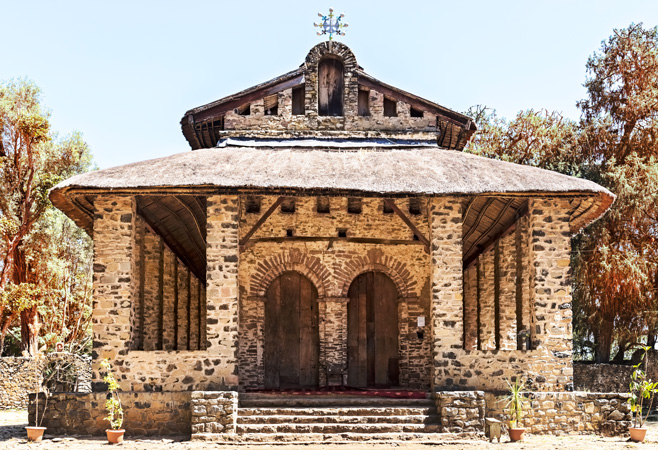 Modest stone exterior of Debre Birhan Selassie Church in Gondar, Ethiopia
Why Debre Birhan Selassie Church Is a Must-See in Ethiopia
Debre Birhan Selassie Church stands out not only for its artistic beauty but also for its resilience and spiritual significance. Unlike many historical structures, it has remained largely intact, offering an authentic window into Ethiopia’s religious past.
For travelers seeking meaningful cultural experiences, this church represents one of the finest examples of Ethiopian heritage.
Overview of Debre Birhan Selassie Church
Debre Birhan Selassie Church, which translates to “Mountain of the Trinity Enlightened by Light”, dates back to the late 17th century. It is the only surviving church from Gondar’s medieval church complex, having escaped destruction during historical conflicts that affected many other religious buildings in the region.
Today, the church stands as a symbol of Ethiopian Orthodox Christianity and serves both as an active place of worship and a significant cultural heritage site.
Where Is Debre Birhan Selassie Church Located?
The church is situated in Gondar, a historic city in the Amhara Region of northern Ethiopia.
City: Gondar
Region: Amhara
Distance from Addis Ababa: approximately 725 km north
Gondar is also home to the famous Royal Enclosure (Fasil Ghebbi), making it a key stop on Ethiopia’s northern historical circuit.
Historical Background
Debre Birhan Selassie Church was built during the reign of Emperor Iyasu I in the late 1600s. According to historical records and local tradition, the church was part of a larger complex of churches that once surrounded Gondar.
Legend holds that when invading forces attempted to destroy the church, a swarm of bees miraculously drove them away, leaving the structure intact. Whether symbolic or historical, this story has become an integral part of the church’s identity and spiritual narrative.
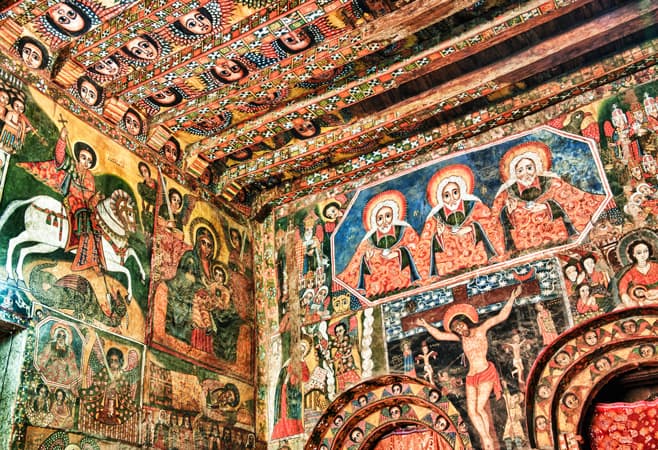 Famous ceiling of Debre Birhan Selassie Church is adorned with rows of winged angel faces
Architectural Features
Exterior Design
The exterior of Debre Birhan Selassie Church follows traditional Ethiopian church architecture:
Rectangular stone structure
Simple, fortress-like appearance
Thatched roof made from local materials
While modest on the outside, the church’s interior reveals extraordinary artistic detail.
Interior Paintings
The interior of Debre Birhan Selassie Church is world-famous for its murals and religious artwork.
Key highlights include:
Ceiling of Angels: The most iconic feature is the ceiling decorated with 80 winged angel faces, each uniquely painted and gazing downward.
Biblical Murals: Walls display scenes from the Old and New Testaments, including the life of Christ, saints, and martyrs.
Vivid Colors: Natural pigments were used to create bold reds, blues, and golds that have remarkably endured over centuries.
These paintings are considered among the finest examples of Ethiopian Christian art.
Religious and Cultural Significance
Debre Birhan Selassie Church holds deep spiritual importance for Ethiopian Orthodox believers. It continues to function as an active place of worship, particularly during religious festivals and holy days.
From a cultural perspective, the church offers insight into:
Ethiopian Orthodox theology
Traditional religious art and symbolism
The role of Christianity in Ethiopian history
Visitors are encouraged to approach the site with respect for its religious practices and cultural traditions.
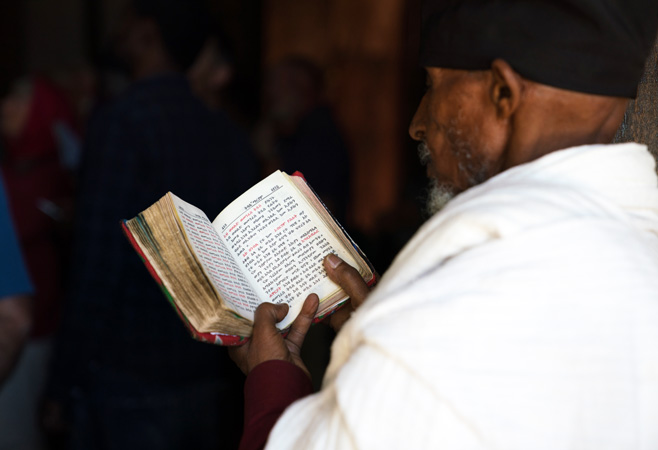 Debre Birhan Selassie Church is a must-visit in Gondar
Visiting Debre Birhan Selassie Church
Opening Hours
The church is generally open to visitors during daylight hours. Opening hours may vary, but the church is typically open in the morning and afternoon. Visitors are advised to check locally for updated schedules.
Entrance Fee
A modest fee is required (usually around 200–300 ETB for foreign tourists), which often includes a local guide. This fee contributes to the maintenance and preservation of the site.
Photography
Non-flash photography is usually permitted inside, but always ask your guide for permission first.
Dress Code and Etiquette
As an active religious site, visitors should follow appropriate dress and behavior guidelines:
- Modest clothing covering shoulders and knees
- Shoes must be removed before entering
- Photography may be restricted inside
Best Time to Visit
The best time to visit Debre Birhan Selassie Church is during Ethiopia’s dry season, typically from October to March. During this period, travel conditions are more comfortable, and Gondar is easily accessible.
Major religious festivals such as Timkat (Epiphany) also offer a unique cultural experience, though crowds can be larger during these events.
How to Get to Debre Birhan Selassie Church
By Air
Gondar Airport receives regular domestic flights from Addis Ababa, making air travel the fastest option.
By Road
Traveling by road from Addis Ababa to Gondar takes longer but allows visitors to experience Ethiopia’s diverse landscapes. Many travelers include Gondar as part of a guided northern circuit tour.
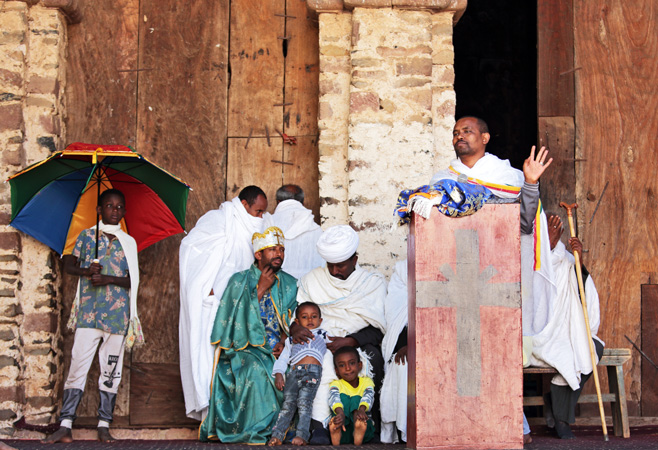 Debre Birhan Selassie Church is a well-preserved 17th-century structure
Travel Tips for Visitors
Hire a local guide to gain deeper insight into the artwork and history
Visit early in the day to avoid crowds
Respect local customs and religious practices
Combine your visit with nearby attractions such as Fasil Ghebbi
Beyond the Church: Exploring Gondar
While Debre Birhan Selassie is the crown jewel, your visit to Gondar should also include:
Fasil Ghebbi (The Royal Enclosure): A UNESCO World Heritage site containing the castles of various Ethiopian emperors.
Fasilides’ Bath: A tranquil site used for the annual Timkat (Epiphany) celebrations.
Simien Mountains National Park: Located just a few hours from Gondar, offering some of the most spectacular trekking in Africa.
Before traveling, ensure your Ethiopia visa is valid. Travelers can apply for or extend their visa through the official Ethiopian e-Visa system prior to arrival.
Frequently Asked Questions (FAQ)
What is Debre Birhan Selassie Church famous for?
The church is famous for its ceiling paintings of winged angels and well-preserved biblical murals.
Is Debre Birhan Selassie Church still active?
Yes. It is an active Ethiopian Orthodox church and continues to host religious services.
Can tourists visit Debre Birhan Selassie Church?
Yes. The church is open to visitors, though respectful dress and behavior are required.
Where is Debre Birhan Selassie Church located?
It is located in Gondar, in the Amhara Region of northern Ethiopia.
How long does a visit take?
Most visitors spend 30 to 60 minutes exploring the church and learning about its history.
Debre Birhan Selassie Church remains one of Ethiopia’s most iconic religious landmarks. With its unique artwork, deep spiritual meaning, and historical value, it offers visitors a powerful and memorable cultural experience.
Related Articles
- Arba Minch Conference Resort Opens in Ethiopia with 1,300+ Capacity Venue
- Ethiopian Culture and Traditions: History, Food, Music & Customs
- Ethiopia Entry & Quarantine Requirements: What Travelers Should Know
- Eid al-Adha in Ethiopia: Holiday Dates, Celebrations & Travel Tips
- Ethiopia Location on Map: Continent, Borders, Capital & Map Guide
- Nigeria to Ethiopia Travel Guide: Flights, Visa, Routes & Essential Tips
- Bringing Pets to Ethiopia: Requirements & Travel Guide
- Sunrise and Sunset in Addis Ababa: Times & Best Viewing Spots
- How to Travel from Egypt to Ethiopia: Routes and Costs


