- Do You Need to Quarantine When Entering Ethiopia?
- Current Ethiopia Entry & Health Requirements
- Yellow Fever Vaccination Requirements
- Health Screening at Addis Ababa Bole International Airport
- What Happens If You Become Ill During Your Trip?
- What Travelers Should Check
- Frequently Asked Questions About Ethiopia Quarantine Requirements
- Closing Paragraph
Ethiopia Entry & Quarantine Requirements: What Travelers Should Know
If you're planning a trip to Ethiopia, it's important to understand the country's quarantine rules and other health-related entry requirements before departure. While Ethiopia has lifted most of the COVID-19 travel restrictions that were introduced during the pandemic, travelers should still be aware of vaccination requirements, customs regulations, and public health recommendations that may affect their journey.
This guide explains the current Ethiopia quarantine rules, who may need additional health screening, and practical tips for a smooth arrival.
Do You Need to Quarantine When Entering Ethiopia?
No. Under the current entry policy, international travelers are generally not required to undergo quarantine upon arrival in Ethiopia.
Most visitors can enter the country without self-isolation, provided they meet Ethiopia's immigration and health requirements. Upon arrival, travelers may still be subject to routine immigration procedures or health screening if deemed necessary by local authorities.
As entry regulations can change, it's always advisable to check the latest travel advice before your departure.
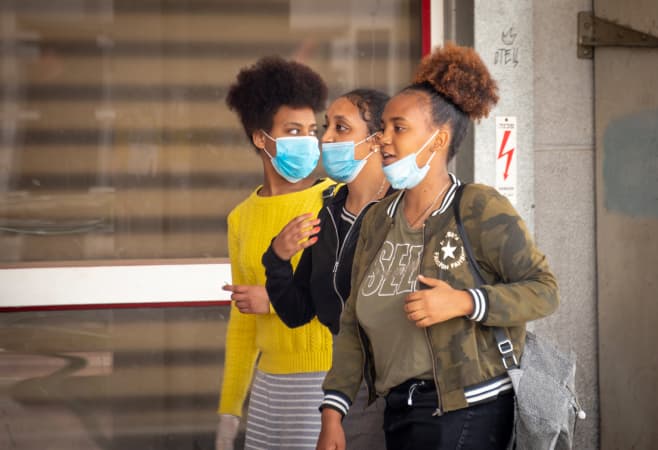 Understanding Ethiopia quarantine rules helps international visitors prepare for a smooth arrival at the airport
Current Ethiopia Entry & Health Requirements
While the days of strict lockdowns and mandatory 14-day hotel isolations are behind us, there are still several vital border checks you must pass to enter the country.
COVID-19 Regulations
All previous COVID-19 entry mandates—including mandatory pre-departure PCR testing, rapid testing, and proof of vaccination—have been lifted. You do not need to show a vaccine card or a negative test to board your flight or pass through immigration. Airlines may still apply their own health policies in exceptional situations, so travelers should check with their carrier before departure.
Yellow Fever Vaccination (Mandatory for Some)
Depending on your travel history, this is a major rule that could delay your entry:
- A Yellow Fever vaccination certificate is required for all travelers over 9 months of age who are arriving from, or have transited for more than 12 hours through, an airport in a country with a risk of Yellow Fever transmission.
- Ensure your vaccine is administered at least 10 days before arrival for the certificate to be considered valid.
Mpox Screening & Health Declarations
Due to global public health monitoring, health officials at Bole International Airport (ADD) conduct routine temperature checks and visual screenings. Depending on your country of origin or transit, you may be asked to complete a quick health declaration form before landing or during transit.
Yellow Fever Vaccination Requirements
Although COVID-19 restrictions have largely been lifted, yellow fever regulations remain important.
A Yellow Fever Vaccination Certificate is required if you:
- Arrive from a country with a risk of yellow fever transmission.
- Have transited through an at-risk country for more than 12 hours.
- Travelers arriving directly from countries without yellow fever risk generally do not need to present the certificate.
Check your itinerary carefully, especially if your journey includes connections through multiple African countries.
 Travelers arriving in Ethiopia should check the latest quarantine rules and entry requirements before departure
Health Screening at Addis Ababa Bole International Airport
Most travelers arriving at Addis Ababa Bole International Airport (ADD) complete standard immigration and customs procedures without difficulty.
However, health authorities may conduct:
- Visual health assessments
- Temperature screening (if required)
- Additional medical evaluation for travelers showing symptoms of infectious diseases
Health authorities may conduct public health screening if necessary, particularly during periods of increased monitoring for infectious diseases. Screening measures depend on the current public health situation and may change without prior notice.
What Happens If You Become Ill During Your Trip?
If you develop symptoms of a contagious illness while visiting Ethiopia:
- Seek medical attention promptly.
- Follow the advice of healthcare professionals.
- Cooperate with any public health measures if required.
Ethiopian health authorities may recommend medical observation or treatment depending on the nature of the illness. These decisions are made on a case-by-case basis and are not part of a routine quarantine policy for travelers.
What Travelers Should Check
Before traveling to Ethiopia, visitors should check the latest entry conditions for visa, health, and security updates. The most useful sources are official government travel pages and Ethiopia’s own entry information, especially if you are arriving through Addis Ababa Bole International Airport.
Travelers should also review regional security guidance because entry rules and travel safety can differ by area. Some governments currently advise against travel to specific border and regional areas in Ethiopia, so a safe itinerary matters as much as entry paperwork.
 Stay informed about Ethiopia quarantine rules to ensure your trip complies with the latest health and immigration regulations
Frequently Asked Questions About Ethiopia Quarantine Requirements
Do I need to quarantine when arriving in Ethiopia?
No. International travelers are generally not required to quarantine upon arrival under the current entry policy. Standard entry requirements apply now.
Do I need a Yellow Fever vaccination for Ethiopia?
You may need a Yellow Fever Vaccination Certificate if you are arriving from or transiting through a country where yellow fever is present. Always review your travel itinerary to determine whether this requirement applies.
Should I buy travel insurance before visiting Ethiopia?
Yes. Comprehensive travel insurance is highly recommended, as it can help cover medical expenses, emergency evacuation, and unexpected travel disruptions during your stay in Ethiopia.
What if I get sick while I'm in Ethiopia?
You'd be treated according to standard medical practice, which can include isolation if you're diagnosed with something contagious — this is routine public health procedure, not a special quarantine policy targeting travelers.
Should I check regional travel advice before visiting Ethiopia?
Yes, regional travel advice is important because some areas of Ethiopia currently have travel warnings or restrictions.
What is the best way to avoid problems on arrival?
Check official entry rules, keep your documents ready, and confirm airline requirements before you fly.
Closing Paragraph
For travelers, the main point is simple: do not assume Ethiopia’s quarantine rules are the same as they were in the past. Check the latest entry requirements, review regional travel advice, and build your itinerary around current conditions so your trip starts smoothly.
Related Articles
- Arba Minch Conference Resort Opens in Ethiopia with 1,300+ Capacity Venue
- Ethiopian Culture and Traditions: History, Food, Music & Customs
- Eid al-Adha in Ethiopia: Holiday Dates, Celebrations & Travel Tips
- Ethiopia Location on Map: Continent, Borders, Capital & Map Guide
- Nigeria to Ethiopia Travel Guide: Flights, Visa, Routes & Essential Tips
- Bringing Pets to Ethiopia: Requirements & Travel Guide
- Sunrise and Sunset in Addis Ababa: Times & Best Viewing Spots
- How to Travel from Egypt to Ethiopia: Routes and Costs
- Can You Use eSIM in Ethiopia? Best Options for Tourists


